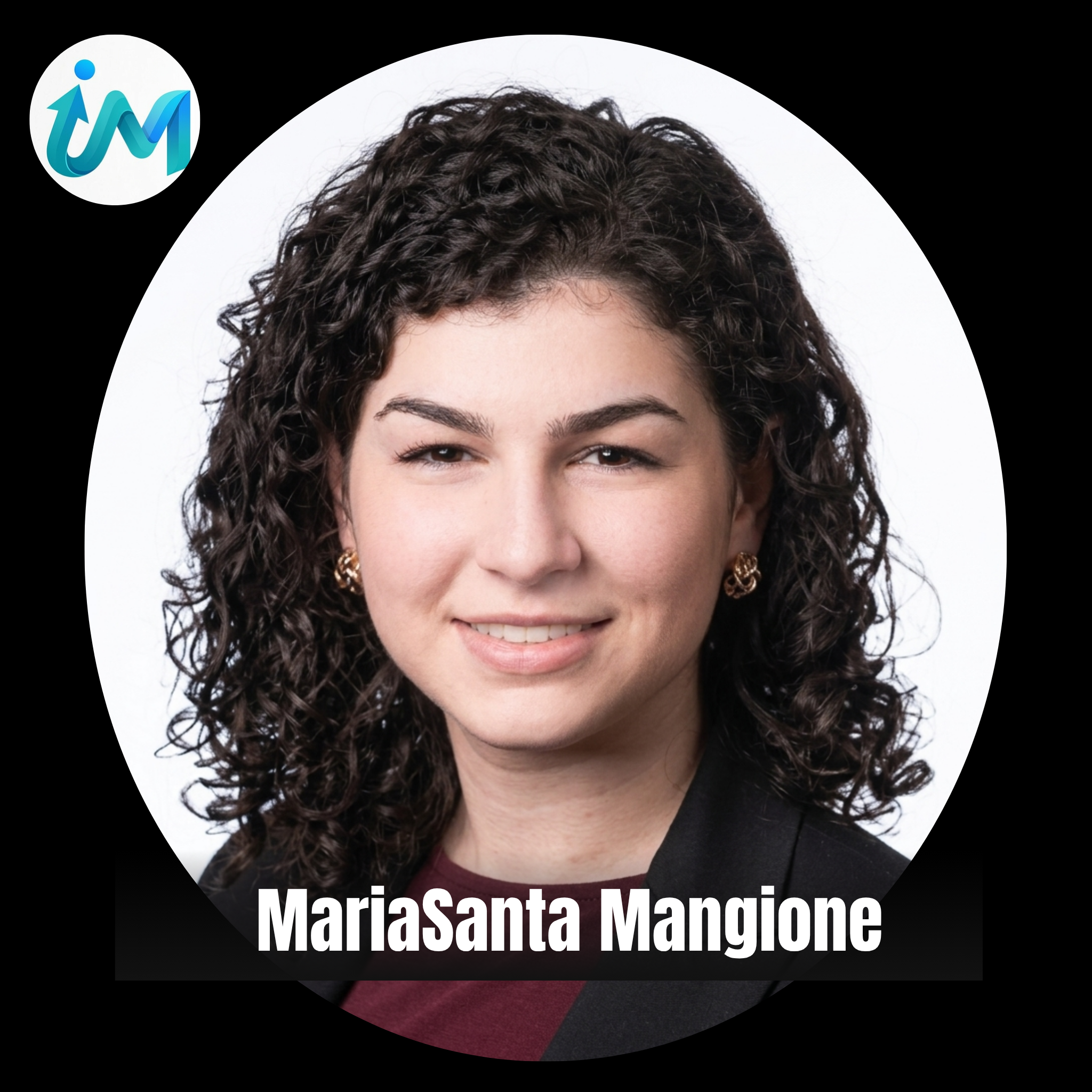
MariaSanta Mangione is a physician-scientist known for her academic work in cardiology and cellular biology. Her name appears most often in connection with medical training programs, university research labs, and peer-reviewed publications focused on how cells divide and how those processes connect to cardiovascular disease. While she is not a public figure in the traditional sense, her professional footprint is visible across medical databases and academic institutions.
Interest in her profile largely comes from her dual path in medicine and research, a combination that is increasingly important in modern cardiology. Physician-scientists like her spend years training in both clinical medicine and laboratory science, building a career that sits between patient care and molecular research.
Academic Path and Medical Training
MariaSanta Mangione’s academic background reflects a structured route through biomedical science and medical education. She completed undergraduate studies in cell biology and molecular genetics at the University of Maryland before entering graduate-level medical and research training. This foundation is common among physician-scientists who move into MD/PhD-style programs.
Her advanced training took place at Vanderbilt University School of Medicine, where she was involved in a PhD program focused on cell and developmental biology. During this time, she worked within research environments that study how cells organize, divide, and maintain structure during replication. This area of biology is essential for understanding both normal tissue function and disease development.
The academic record shows a long training timeline typical of physician-scientists, where clinical education and laboratory research run in parallel. That path usually takes close to a decade or more before full clinical specialization begins.
Research Focus in Cell Biology and Disease Mechanisms
A large portion of Mangione’s published work centers on cytokinesis, the process by which a single cell splits into two daughter cells. This process may sound abstract, but it is one of the most fundamental biological functions in living organisms. When cytokinesis fails or becomes dysregulated, it can lead to diseases ranging from cancer to tissue degeneration.
Her research contributions include studies on the structural proteins involved in the cytokinetic ring, a contractile structure that physically separates dividing cells. These studies explore how proteins interact, how phosphorylation events regulate timing, and how the architecture of the cell influences division outcomes.
She has co-authored multiple peer-reviewed papers in journals such as Molecular Biology of the Cell and Circulation Research, where her work is cited in discussions about cellular signaling, macrophage behavior, and cardiovascular disease mechanisms. This type of research is foundational science, meaning it focuses on understanding biological systems rather than developing direct treatments.
Connection to Cardiovascular Medicine
Although much of her published work is in cell biology, Mangione’s academic trajectory is closely tied to cardiology. Cardiovascular disease research often depends on understanding how cells behave under stress, how inflammation develops, and how tissues repair after injury.
Her involvement in cardiometabolic research connects cellular mechanisms with heart disease processes such as atherosclerosis and myocardial injury. These are conditions where immune cells, vascular tissue, and molecular signaling pathways all interact in complex ways.
Here’s where it gets interesting: modern cardiology increasingly depends on this kind of cross-disciplinary expertise. Instead of focusing only on symptoms and imaging, researchers now look at the microscopic and genetic drivers of disease. Mangione’s work fits into that shift, especially in areas involving inflammation and vascular biology.
Clinical Training and Physician Role
Beyond research, MariaSanta Mangione is also associated with clinical medical training in cardiology. Public academic records and professional listings connect her to physician roles in major U.S. medical institutions, including involvement in cardiology-focused training environments.
Cardiology training is one of the most demanding medical specialties. It requires completion of internal medicine residency followed by competitive fellowship programs where physicians learn to manage complex heart conditions such as heart failure, arrhythmias, and coronary artery disease.
Physician-scientists in this field often divide their time between clinical work and laboratory research. This dual responsibility allows them to test scientific ideas in real clinical contexts while also bringing patient-driven questions back into the lab.
Public Attention and Online Presence
Mangione’s name has appeared in both academic contexts and public-facing media coverage. Most of the verified information about her remains tied to institutional profiles, research databases, and university records rather than personal public communication.
Some confusion online comes from overlapping media narratives that mix professional achievements with unrelated biographical details. In cases like this, it becomes important to separate confirmed academic data from secondary reporting. Verified sources consistently highlight her medical education, research publications, and clinical training, while other claims vary in reliability.
That distinction matters because physician-scientists often gain sudden visibility not for public activity, but because of academic or family-related media attention.
Why Her Work Gets Search Interest
Search interest around MariaSanta Mangione is driven by three main factors. The first is her research presence in peer-reviewed journals, which makes her name visible in scientific databases. The second is her association with cardiology and biomedical research, which are high-interest fields in health science. The third is broader media attention that occasionally brings academic professionals into public discussion.
Unlike public figures, her recognition is mostly professional rather than media-driven. That means most accurate information comes from research publications and institutional affiliations rather than interviews or public statements.
Frequently Asked Questions
Who is MariaSanta Mangione?
MariaSanta Mangione is a physician-scientist with training in medicine and cellular biology, known for her academic research in cardiology-related fields.
What does MariaSanta Mangione study?
She focuses on cell division mechanisms, particularly cytokinesis, and how these biological processes relate to disease development.
Is MariaSanta Mangione a cardiologist?
She is associated with cardiology training environments and cardiovascular research, which place her within the physician-scientist pathway in heart medicine.
Where did MariaSanta Mangione study?
She completed undergraduate studies at the University of Maryland and advanced medical and research training at Vanderbilt University School of Medicine.
Why is MariaSanta Mangione known?
She is known primarily for her academic research publications and medical training, rather than public or media activity.
Conclusion
MariaSanta Mangione’s profile reflects the career of a physician-scientist working at the intersection of laboratory research and clinical medicine. Her academic path, research output, and clinical training all point toward a long-term focus on understanding disease at a cellular level and applying that knowledge in cardiovascular medicine.
What stands out most is the structure of her career rather than public visibility. It follows the pattern of researchers who build influence through publications, training, and institutional work rather than media presence.
As cardiology continues to evolve, professionals with this type of dual expertise remain essential to connecting molecular science with real patient care.