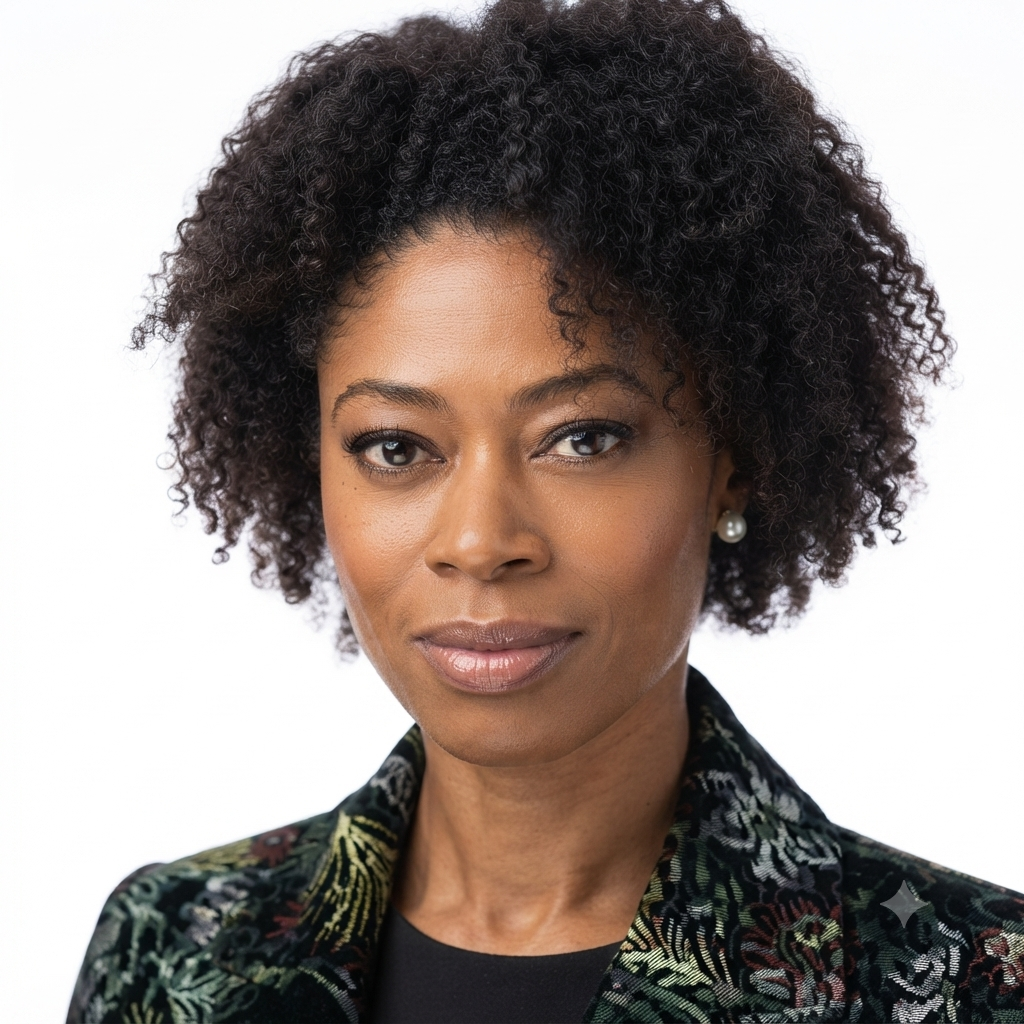
Dawn Neesom is a well-known British journalist and former newspaper editor who built her career inside some of the UK’s most influential tabloid newsrooms. She is best recognised for her long leadership of the Daily Star, where she spent more than a decade shaping content during a period of major change in print journalism. Today, she remains active in media as a commentator and broadcaster, often appearing on television and radio discussions.
Her career is frequently searched because she represents a generation of editors who worked through the transition from traditional print dominance to the fast-moving digital news era. Understanding her journey also gives insight into how British tabloids evolved in tone, audience focus, and business pressure over time.
Early life and background in London
Dawn Neesom was born in London in 1964 and grew up in a working-class household. Her upbringing in East London played a role in shaping her direct communication style, which later became a recognizable part of her editorial voice. She attended Valentines High School in Ilford, Essex, where she completed her early education before entering the media industry.
Unlike many modern journalists who follow academic journalism degrees, Neesom entered the industry through practical experience. She started in magazine journalism, gaining early exposure to audience-driven writing and lifestyle content. This foundation helped her understand what readers engaged with most, a skill that later became essential in her tabloid leadership roles.
Starting point in journalism and rise through magazines
Neesom’s early professional work included writing for women-focused publications, most notably Woman’s Own. This role introduced her to fast-paced editorial environments where deadlines, audience interest, and commercial appeal all mattered equally. Her writing during this period focused on lifestyle, human interest stories, and features that connected directly with everyday readers.
Her move into newspaper journalism came in the early 1990s when she joined The Sun. Working as a features writer, she quickly adapted to the demands of one of Britain’s most competitive newspapers. She later advanced to become women’s editor, a position that gave her editorial responsibility and experience managing teams and content direction.
This stage of her career was important because it placed her at the centre of tabloid storytelling. It also helped her build relationships within the industry and develop a clear understanding of how large newspapers balance readership demand with editorial decisions.
Leadership at the Daily Star
Dawn Neesom joined the Daily Star in 1997, initially working in senior editorial roles. Her progression within the paper was steady, moving from women’s editor to features editor and then into higher leadership positions. By the early 2000s, she had become joint deputy editor, a role that positioned her as part of the paper’s top editorial team.
In 2003, she was appointed editor of the Daily Star. This appointment marked a significant moment in her career, as she became one of the few women to lead a national daily newspaper in the UK at that time. Her leadership lasted until 2018, making her one of the longest-serving editors in British tabloid history.
Her time at the Daily Star covered a challenging era for print media. Circulation across newspapers declined as digital platforms grew rapidly, changing how audiences consumed news. Under her leadership, the Daily Star maintained its focus on entertainment, celebrity stories, sport, and accessible headlines aimed at a broad readership. The paper continued to operate in the highly competitive tabloid market where attention and speed were critical.
Departure and shift in media landscape
Neesom stepped down as editor in 2018 following changes in ownership at the newspaper’s parent company, Reach plc. Her departure came during a wider restructuring period across multiple UK titles. This moment reflected a broader shift in the industry, where traditional editorial leadership roles were being redefined due to digital transformation and cost pressures.
Her exit marked the end of an era for the Daily Star. It also highlighted how quickly newsroom leadership was evolving in response to changes in readership behavior and advertising revenue. Many long-serving editors left similar roles during this period as newspapers adjusted to new business models.
Dawn Neesom Broadcasting career and media presence
After leaving newspaper editing, Dawn Neesom moved into broadcasting and commentary work. She became a familiar face and voice on UK media platforms, contributing to discussions on politics, current affairs, and media trends. Her appearances often reflect her background in tabloid journalism, with clear opinions and straightforward delivery.
She has featured on programs such as GB News and talk-based radio and television shows where editorial commentary is central. Alongside broadcasting, she has continued writing columns and opinion pieces, maintaining her presence in the UK media landscape.
Her post-editorial career shows how senior journalists often transition into commentary roles after leaving newsroom leadership. Rather than stepping away from media entirely, she has remained part of public debate, offering perspectives shaped by decades of editorial experience.
Dawn Neesom Personal life and public image
Dawn Neesom is married to Mark Neesom, and the couple have been together since the 1980s. She has spoken in interviews about her interest in sport, particularly West Ham United, which remains one of her long-standing personal passions.
Her public image is closely tied to her years in tabloid journalism. Supporters view her as a strong newsroom leader who understood mass-market readers and delivered content that matched audience demand. Critics, however, often associate her career with broader debates about tabloid ethics and editorial practices during the early 2000s.
Both perspectives reflect the complexity of British tabloid journalism during her leadership years. It was an era defined by high competition, strong personalities, and constant pressure to deliver attention-grabbing headlines in a rapidly changing media environment.
Dawn Neesom Legacy in British journalism
Dawn Neesom’s career is often discussed in the context of how British newspapers adapted to digital disruption. Her long tenure at the Daily Star demonstrates both stability and adaptability in a period where many editors faced short leadership cycles.
She remains part of a generation of editors who managed print newspapers during their final years of dominance. Her influence is seen not only in the content direction of the Daily Star but also in her continued presence in broadcast media, where she brings newsroom experience into public discussions.
Her story reflects more than individual success. It also mirrors the broader transformation of British journalism, where editorial roles have shifted from print-focused leadership to multi-platform media commentary.
Conclusion
Dawn Neesom’s professional journey spans decades of British media history, from traditional magazine journalism to national newspaper leadership and modern broadcasting. Her career shows how newsroom roles evolve when industries change, and how experienced editors adapt by moving into new formats of communication.
While her time at the Daily Star defines much of her reputation, her ongoing work in media keeps her connected to public conversation. In many ways, her career continues to reflect the shifting identity of journalism itself, where influence is no longer limited to print pages but extends across television, radio, and digital platforms.