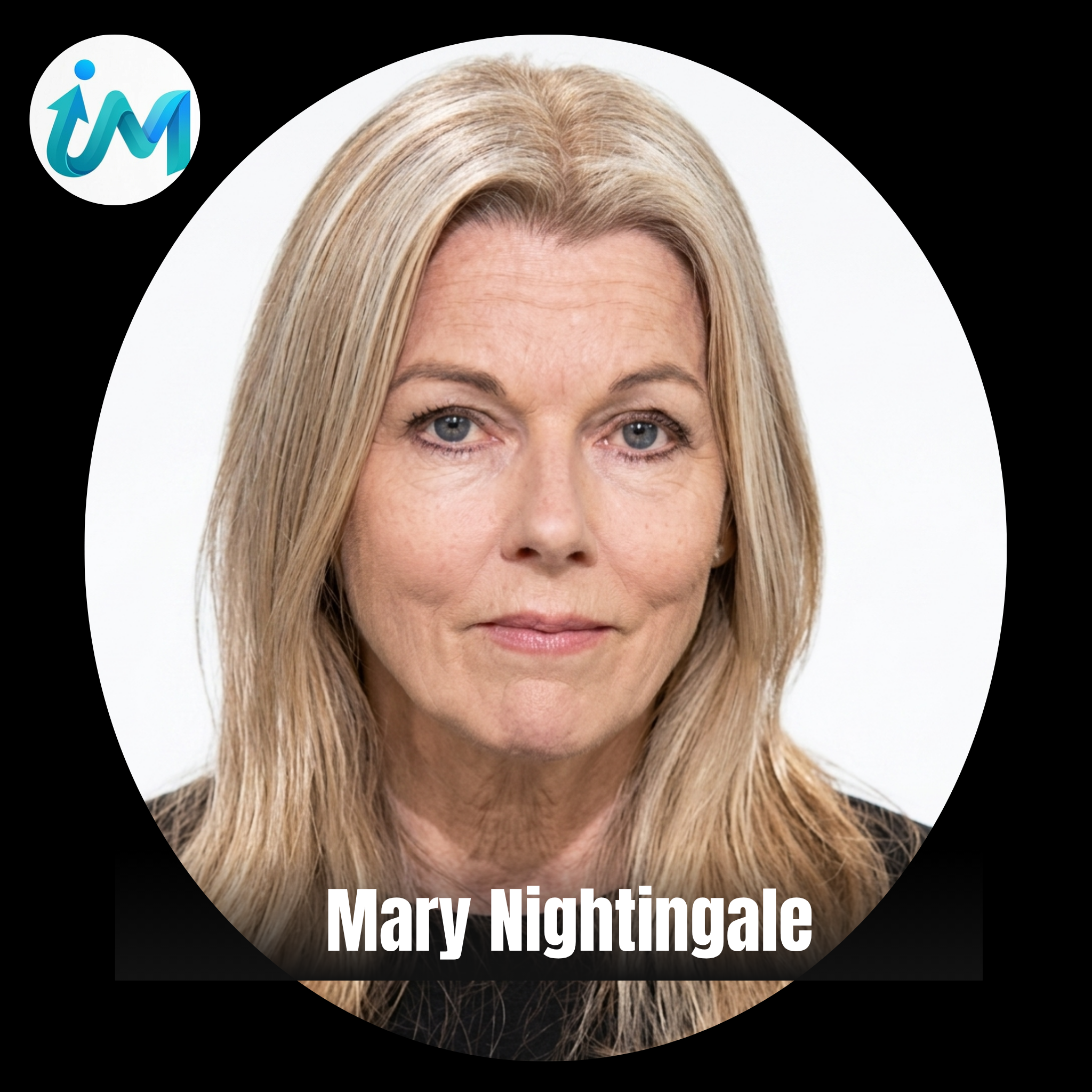
Mary Nightingale is one of the most familiar and trusted faces in British television journalism. For more than two decades, she has been the main presenter of the ITV Evening News, delivering major national and international stories with a calm, steady presence that audiences recognise instantly. Her career stands out not because of sudden fame or controversy, but because of consistency, professionalism, and long-term credibility in a fast-changing media world.
What makes her journey interesting is not just where she is today, but how she arrived there. She did not begin in television studios or newsrooms. Instead, her path moved through business, international finance, and gradual entry into broadcasting. That layered experience helped shape the clear and measured delivery she is known for today.
Early Life and Education
Mary Nightingale was born on 26 May 1963 in Scarborough, England. She spent her early years in a traditional British upbringing and later moved through different parts of the country during her education. Her schooling included independent institutions, where she developed a strong academic foundation in language and communication.
She later studied English at university level in London. That choice proved important, even if it did not immediately point toward a career in journalism. Her education strengthened her ability to analyse information, structure arguments, and communicate clearly, skills that later became essential in broadcast news.
At this stage of her life, there was no clear indication that she would become one of the UK’s most recognisable news presenters. Her early direction was more aligned with corporate and international work rather than television.
Mary Nightingale Early Career Before Television
Before entering journalism, Mary Nightingale worked in the financial sector as a Eurobond dealer in London. This role placed her inside the world of international markets and high-pressure decision-making. It was a very different environment from television, but it gave her valuable exposure to global business and economic systems.
Her shift toward media began when she moved into business broadcasting roles abroad. One of her early media experiences involved working in Japan, where she contributed to financial programming. This international experience gave her a broader perspective and helped her develop confidence in presenting complex topics clearly.
She later worked with organisations connected to global news and financial reporting. During this period, she was not yet a household name, but she was building the foundation of her journalism career. Her early roles focused heavily on business news, which helped her develop precision and discipline in reporting.
Mary Nightingale Entry Into UK Television News
Mary Nightingale’s transition into UK television came in the early 1990s. She joined regional broadcasting, where she worked on news programmes that introduced her to a wider audience. This stage of her career was important because it marked her shift from behind-the-scenes reporting to being a visible on-screen presenter.
She became associated with regional news in London, where her presenting style began to stand out. Viewers responded to her calm tone and clear delivery, especially in contrast to more fast-paced or entertainment-focused presentation styles common at the time.
As her reputation grew, she moved into more prominent presenting roles. This included travel and lifestyle programming, where she demonstrated versatility beyond hard news. However, her strongest identity remained tied to journalism and current affairs rather than entertainment broadcasting.
Mary Nightingale ITV Evening News and Career Defining Role
The most important turning point in Mary Nightingale’s career came in 2001 when she became the main presenter of the ITV Evening News. This role placed her at the centre of one of the UK’s most watched national news programmes.
Since taking on this position, she has covered some of the most significant events in recent British and global history. These include general elections, royal family milestones, international conflicts, economic crises, and breaking news events that required live reporting and careful communication.
Her role is not only about reading headlines. It involves guiding viewers through complex and often sensitive stories in a way that is clear and understandable. Over time, she has become closely associated with stability in news broadcasting, especially during moments when audiences rely on trusted information.
One of the reasons her presence has lasted so long in this role is consistency. In an industry where presenters often rotate or shift roles, she has remained a central figure at ITV for decades, becoming part of the programme’s identity.
Presentation Style and Public Perception
Mary Nightingale’s presenting style is often described as calm, composed, and authoritative without being overly formal. She avoids dramatic delivery and instead focuses on clarity and balance. This approach fits the traditional expectations of British evening news, where trust and neutrality are central.
Her ability to handle breaking news with steadiness has contributed to her long-standing reputation. Viewers often associate her with reliability, especially during serious or uncertain events. That trust has been built gradually over many years rather than through short-term popularity.
Behind the scenes, she is also known for professionalism and preparation. News presenting at her level requires constant awareness of changing stories, editorial decisions, and live updates. Her longevity suggests a strong ability to adapt to evolving newsroom demands while maintaining a consistent public presence.
Personal Life and Life Outside Broadcasting
Mary Nightingale has kept her personal life relatively private compared to many public figures. She is married and has children, but she rarely shares details about her family in public interviews. This separation between personal and professional life has contributed to her image as a focused and grounded journalist.
Outside of television news, she has occasionally participated in event hosting and public speaking. However, she has remained closely tied to journalism rather than expanding into entertainment or celebrity-driven media roles.
Her decision to maintain privacy has also helped reinforce her credibility as a news presenter. Audiences tend to associate her more with information and reporting than with personal publicity.
Career Longevity and Media Relevance
What stands out most about Mary Nightingale’s career is its duration and stability. Television journalism has changed significantly since she began, especially with the rise of digital media and 24-hour news cycles. Despite these shifts, she has remained a central figure in mainstream broadcast news.
Her continued presence on ITV Evening News reflects both editorial trust and audience familiarity. Many viewers associate her with continuity in a media environment that often feels fragmented. This consistency is one of the key reasons she remains relevant even after decades in the industry.
Her career also highlights how traditional news presenting still holds value. Even with changing platforms and new formats, the role of a trusted anchor remains important in guiding public understanding of major events.
Conclusion
Mary Nightingale’s career is built on steady progression rather than sudden breakthroughs. From her early work in finance to international reporting and finally her long-term role at ITV, she has developed into one of the most recognisable figures in British news.
Her strength lies in clarity, professionalism, and a consistent approach to storytelling. In a media landscape that changes quickly, she represents continuity and trust, qualities that remain essential in journalism.
As she continues her role on ITV Evening News, her presence reflects more than just experience. It reflects the ongoing importance of reliable news presentation in shaping how audiences understand the world around them.